Getty Images processes millions of event photographs every year, reflecting how quickly visual content now travels across news sites, streaming platforms, social media feeds, and corporate press channels. A single photo from a press conference or entertainment launch can circulate globally within minutes. That shift has increased the importance of visual branding at public-facing events, where every image captured becomes part of a company’s long-term digital identity.
Branded event environments have become central to media strategy because consistent visuals help organizations control how they appear across photographs, livestreams, interviews, and social clips. Industry discussions connected to step and repeat printing NYC services often focus on how repeated logos, coordinated backdrops, and branded photo areas create a polished and recognizable presentation during highly visible events. Research from Nielsen also shows that brand recognition improves when audiences repeatedly encounter consistent visual elements across multiple forms of media exposure.

Media Events Have Become Permanent Digital Content
Press events no longer exist for a single evening or news cycle. Photos and videos captured during launches, interviews, and conferences remain searchable online for years. Corporate announcements are reposted by journalists, influencers, streaming platforms, entertainment blogs, and news organizations across multiple channels.
Data published by HubSpot indicates that visual content receives significantly higher engagement rates on digital platforms compared to text-only posts. This explains why event organizers increasingly treat media spaces as controlled visual environments rather than temporary venues.
A poorly branded backdrop or inconsistent visual setup can weaken professional presentation when images are shared widely online. By contrast, coordinated branding helps maintain consistency across photographs regardless of where the images appear later.
Entertainment companies offer clear examples of this trend. Streaming premieres, celebrity press junkets, and film launch events frequently rely on custom branded walls, sponsor displays, and media-friendly photography areas. These spaces are designed to ensure logos, campaign themes, and partner brands remain visible in every published image.
Why Consistency Matters During Press Coverage
Visual consistency plays a major role in audience recall. Research from Lucidpress found that consistent brand presentation can increase revenue-related outcomes by improving familiarity and trust with audiences. While that research focuses broadly on branding, the same principle applies during media events.
Journalists and photographers work quickly during press conferences and entertainment launches. They often capture hundreds of images in a short period of time. Branded backdrops help maintain a uniform appearance regardless of camera angle, lighting conditions, or interview position.
This matters because event photography rarely stays confined to one publication. Images move across newspapers, television websites, YouTube thumbnails, podcast promotions, LinkedIn announcements, and social media posts. A repeated logo or campaign design ensures the organization remains visually associated with the event wherever the images appear.
Corporate PR teams increasingly view photography walls and branded media setups as communication tools rather than decorations. Experts from PR Newswire note that visual consistency helps strengthen campaign recognition during major announcements and public relations efforts.
Streaming Platforms and Entertainment Launches Depend on Strong Visual Identity
Streaming services compete aggressively for audience attention. Launch events for films, documentaries, and original series now function as large-scale marketing campaigns designed for both live attendees and online viewers.
Photos from these events are distributed instantly through entertainment publications and fan communities. This has increased the need for carefully controlled visual presentation.
Backdrop branding helps connect every image to the project being promoted. Whether viewers encounter a celebrity interview clip on TikTok or a red-carpet image on a news site, the visual identity remains recognizable.
Statista reports that global digital media consumption continues to grow annually, particularly through mobile platforms and short-form video content. As audiences consume more visual media online, organizations have become more deliberate about how event photography supports broader branding goals.
Entertainment marketing teams often coordinate event design with digital campaigns, trailer artwork, and social media graphics. Matching fonts, colors, logos, and visual layouts across these formats creates stronger continuity between physical events and online promotion.
Corporate Events Now Prioritize Camera-Friendly Design
Business conferences and corporate announcements have adopted many strategies once associated mainly with entertainment events. Technology launches, investor presentations, and executive interviews are now planned with media distribution in mind from the beginning.
Corporate communications teams understand that a conference stage may appear in screenshots, livestream recordings, online articles, and social posts long after the event ends. This has increased investment in camera-friendly staging, lighting, and backdrop placement.
Research from McKinsey & Company highlights how digital communication channels continue to influence consumer trust and corporate visibility. Strong visual presentation during public events supports that visibility by creating a more professional and recognizable image.
Large organizations frequently coordinate event visuals with sponsorship obligations as well. Partner logos placed strategically on branded media walls allow sponsors to receive visibility in photographs without interrupting interviews or presentations.
Trade shows and business expos have also expanded the use of step-and-repeat displays because they provide clean backgrounds for executive photos, networking interviews, and media coverage.
Social Media Changed the Purpose of Event Photography
Event photography once focused mainly on archival documentation and newspaper coverage. Today, every attendee with a smartphone can generate content that reaches thousands of viewers instantly.
This shift has transformed branded backdrops into interactive marketing tools. Guests often take photos specifically because visually branded spaces are available for posting online.
Research from Sprout Social shows that audiences engage more strongly with visual posts featuring recognizable branding and polished presentation. Companies understand that attendee-generated content can extend the reach of an event far beyond the physical venue. Growing reliance on digital sharing also reflects how social media platforms now function as news distribution channels for entertainment launches, public announcements, and corporate media events.
As a result, visual branding now serves two audiences simultaneously. It supports traditional press photography while also encouraging social sharing from attendees, influencers, and creators.
Many organizations now design “photo moments” within events specifically for digital sharing. These setups often include lighting adjustments, logo placement, themed displays, and branded walls that maintain consistency across user-generated images.
Visual Branding Supports Long-Term Digital Presence
Event photos often remain active online long after campaigns end. Search engines index news articles, social posts, and media galleries for years. This means visual branding attached to those images continues generating recognition over time.
Experts from Adobe note that modern branding depends heavily on visual consistency across digital channels. Event photography contributes to that consistency because it becomes part of an organization’s searchable online identity.
Media events now operate as content production environments where every image may serve future promotional purposes. Branded backdrops, coordinated stage design, and controlled photography areas help organizations maintain a consistent appearance across that growing archive of digital content.
Public-facing events continue evolving alongside online media habits. Press conferences, entertainment launches, and corporate announcements are increasingly designed with cameras, livestreams, and social sharing in mind from the beginning. Visual branding plays a central role in that process because images captured today often continue shaping public perception long after the event itself ends.
As digital media distribution expands, event photography has become more than documentation. It now functions as long-term brand communication that supports recognition, credibility, and visibility across countless online platforms.







 Last Friday, Israel had launched another strike in the Hezboliah’s stronghold in Beirut, which razed down a multi storey residential building occupied by an elite group of the Iran-backed Lebanese Shia militia. The attack left 31 people dead including high ranking commanders and 16 Hezboliah of the militant group.
 One of the latest social media news that has been trending recently is Snapchat’s announcement of its partnership with data analytics company Fospha. The latter is a provider of
 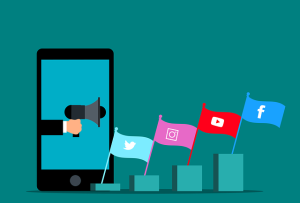 ROAS or Return on Ad Spend is a metric expressed in ratio that gives instant insights about the ad campaigns rolled out by ecommerce advertisers. The purpose of which is to track the campaigns that are working effectively and those that do not.
 Twitter’s new owner
  Moreover, Musk’s signature



 Traffic offices regularly collect data to make well-established decisions based on information about traffic safety and operations. The office’s yearly road safety and operations report includes data on driving speed, traffic, and accidents, as well as up-to-date information on the city’s recently completed and ongoing


 South Korea’s wellness scene thrives on innovation, blending tradition with modern flair. From jjimjilbangs to sleek urban spas, the country’s approach to self-care captivates both locals and global audiences. Korean news outlets, from “The Korea Herald” to “Yonhap News Agency”, frequently spotlight wellness trends, amplifying their cultural reach. These platforms don’t just report; they shape public perception, turning niche services into mainstream desires. As wellness becomes a lifestyle staple, a new player has emerged: office sites, or OPs, which are redefining how South Koreans access relaxation and entertainment.

 Public karaoke videos have found a unique place in a world where everyone with a smartphone can be a content creator. They’re raw, unpredictable, and oddly addictive. From heartfelt solos to off-key group belting, karaoke performances—once confined to dimly lit KTV rooms—are now center stage on TikTok, YouTube, and Instagram. Even places like 호치민 가라오케 are seeing their moments go viral. But how did we get here, and why do these clips resonate with so many?
 Material Matters: Still in great demand for its minimal maintenance and cost is vinyl siding. Excellent durability combined with a more elegant appearance come from fiber cement siding. Comparatively to conventional wood, engineered wood has a natural look with better weather resistance.
 Tourism plays a significant role in many countries’ economies. To support infrastructure and maintain popular destinations, governments often impose tourism taxes.
 Journalists and media professionals play a vital role in


 In today’s world, we’re surrounded by a deluge of information. News channels, podcasts, blogs, and social media updates inundate our screens, providing a constant stream of global events and happenings. But there’s another delightful distraction that many of us have in our homes: our feline friends. Trying to keep pace with current events while living with cats offers a unique set of challenges and pleasures.

 Divorce is often a stressful and emotionally charged process, especially when dividing assets and determining financial support for each party. One aspect of financial support that often comes up in divorce cases is spousal support, also known as alimony. Check unterhalt rechner to know how much support you can get. Spousal support is designed to help ensure that the dependent spouse is able to maintain their standard of living after the divorce. Let’s take a closer look at what spousal support is, how it’s calculated, and how it can be modified.